
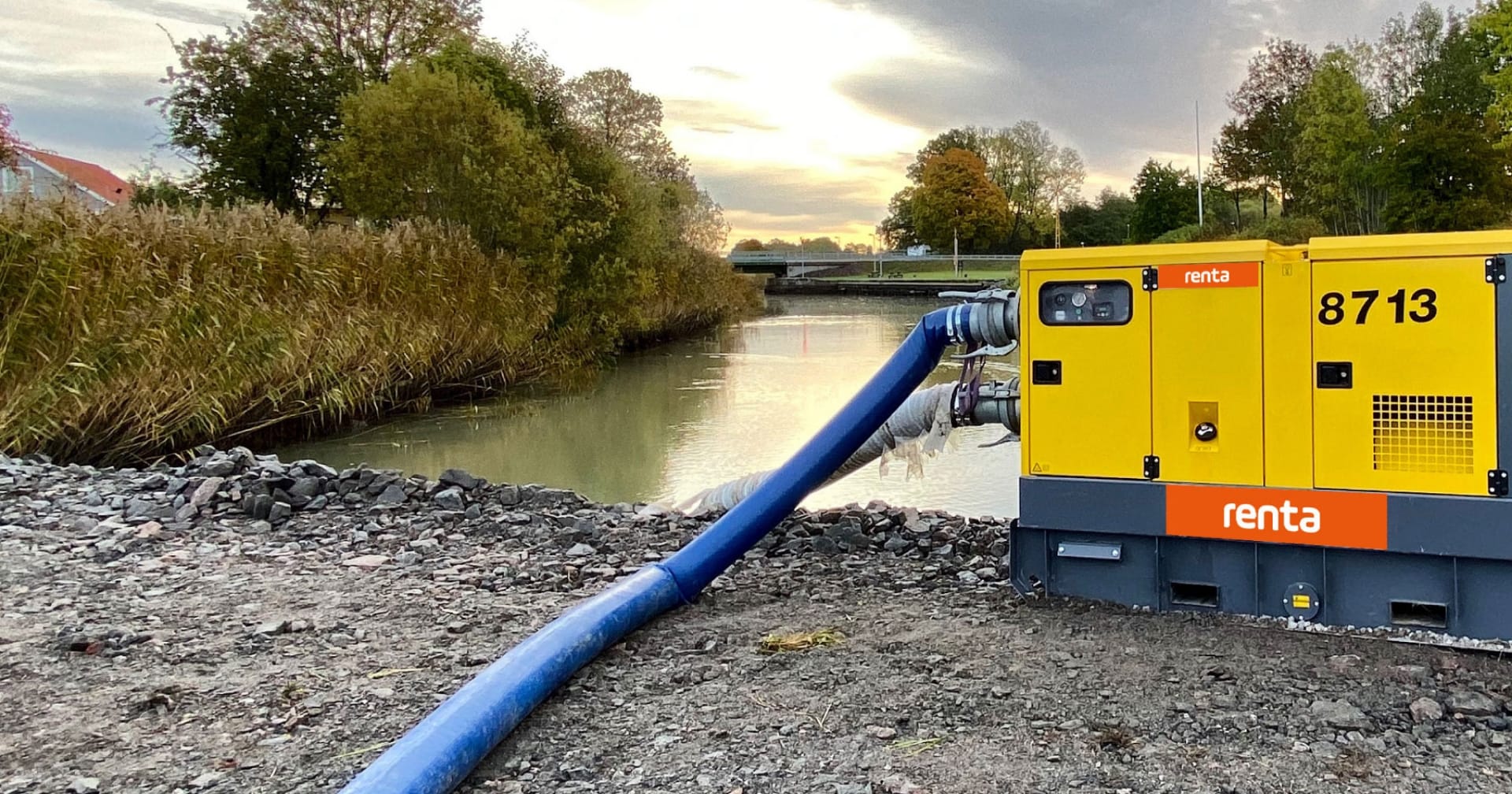
We can help you with complete pumping solutions
Renta offers “pumping” as a service, combining expertise and experience with modern, high-quality products. Let’s solve this together!
Every challenge has its own solution
Spout System
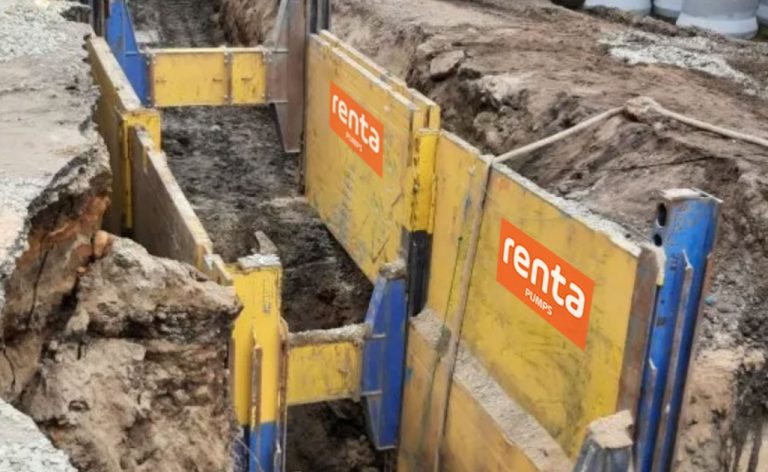
Sheet pile cassettes ensure a safe worksite and help keep the size of the excavation to a minimum. With less excavated material to transport, you can reduce fuel consumption and minimize your environmental impact.
Pump-over, Sewer & Stormwater
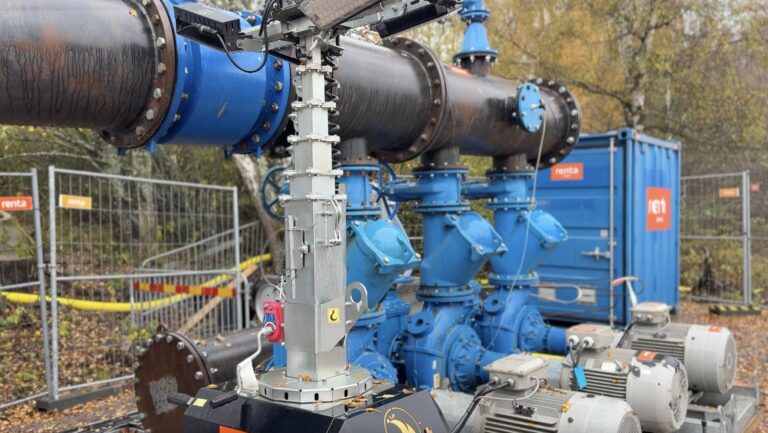
Renta offers dry-mounted pumps equipped with automatic air venting and a sound-insulated chassis. It also offers submersible pumps with a capacity of up to 3,060 m³/hour, which can pump wastewater efficiently and trouble-free.
Wellpoint System, Groundwater Lowering
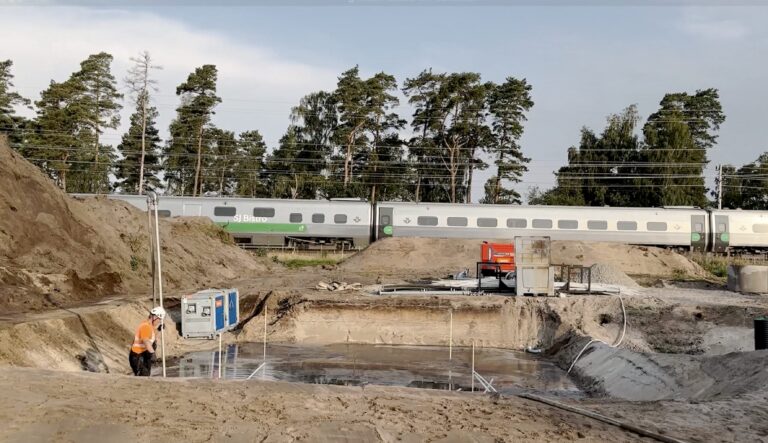
Our Wellpoint pumps have a capacity of up to 320 m³/h and can lower the groundwater level using the Wellpoint system quickly and efficiently, while keeping energy costs down.
Would you like to learn more about our products?
We place great value on having market-leading brands and products in stock so that we can quickly arrive on-site and install the solution your project requires.
Are you interested in our products? Follow the links below to explore our selection. Not sure what you need? Contact us!
How do you pump water?
You’ll need four components: water, a pump, a hose, and power. Then you can reroute the water, and to help you, we have three basic questions we always ask: How high does the water need to be lifted? How far do you want to pump it? And at what flow rate do you want to move the water? Learn more in the video here.
How much water can you pump?
The largest bypass pumping operation we are aware of pumped 30 m³/second. It took place in the Netherlands in 2020. It’s hard to say what’s considered normal. 10–20 liters/second for a bilge pump. Sewage flow is often higher; we’d say 30–70 liters per second in that case. Learn more in the video here.
How far can you pump water?
It’s possible to pump water a really long way. If we install a high-pressure drainage pump (90 kW) inside the Strawberry Arena in Stockholm and run a pipe with an inner diameter of 300 mm to Nya Ullevi in Gothenburg, we’ll be able to deliver about 20 liters per second inside the arena. It might be an unnecessarily long distance to pump water that far. But it’s possible. The most common distance is 20–50 meters. Learn more in the video here.
How high can I pump water?
With a bilge pump, we’d say that anything over 150 meters—well, that’s when it starts to get extreme. It can go higher, and you can connect pumps in series, but 150 meters straight up is pretty high. The normal range is between 5 and 15 meters. Learn more in the video here.
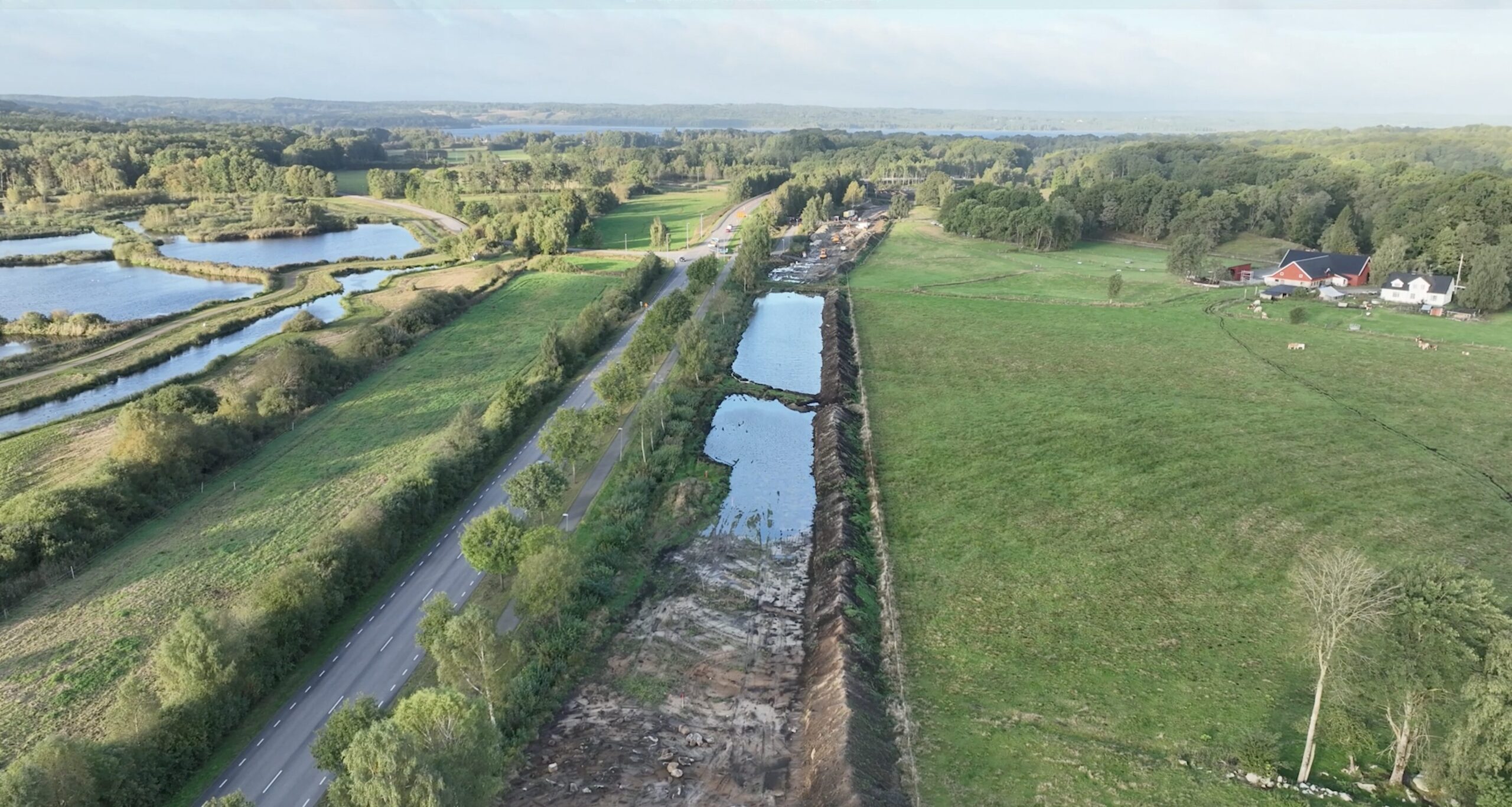
We're rerouting the water as Hässleholm gets a new sewer line
Hässleholm Miljö is now installing a new sewer line to ensure service for the next 100 years. To make this possible, we have teamed up with Renta Pumps to set up a complex bypass pumping system (to move water from A to B).
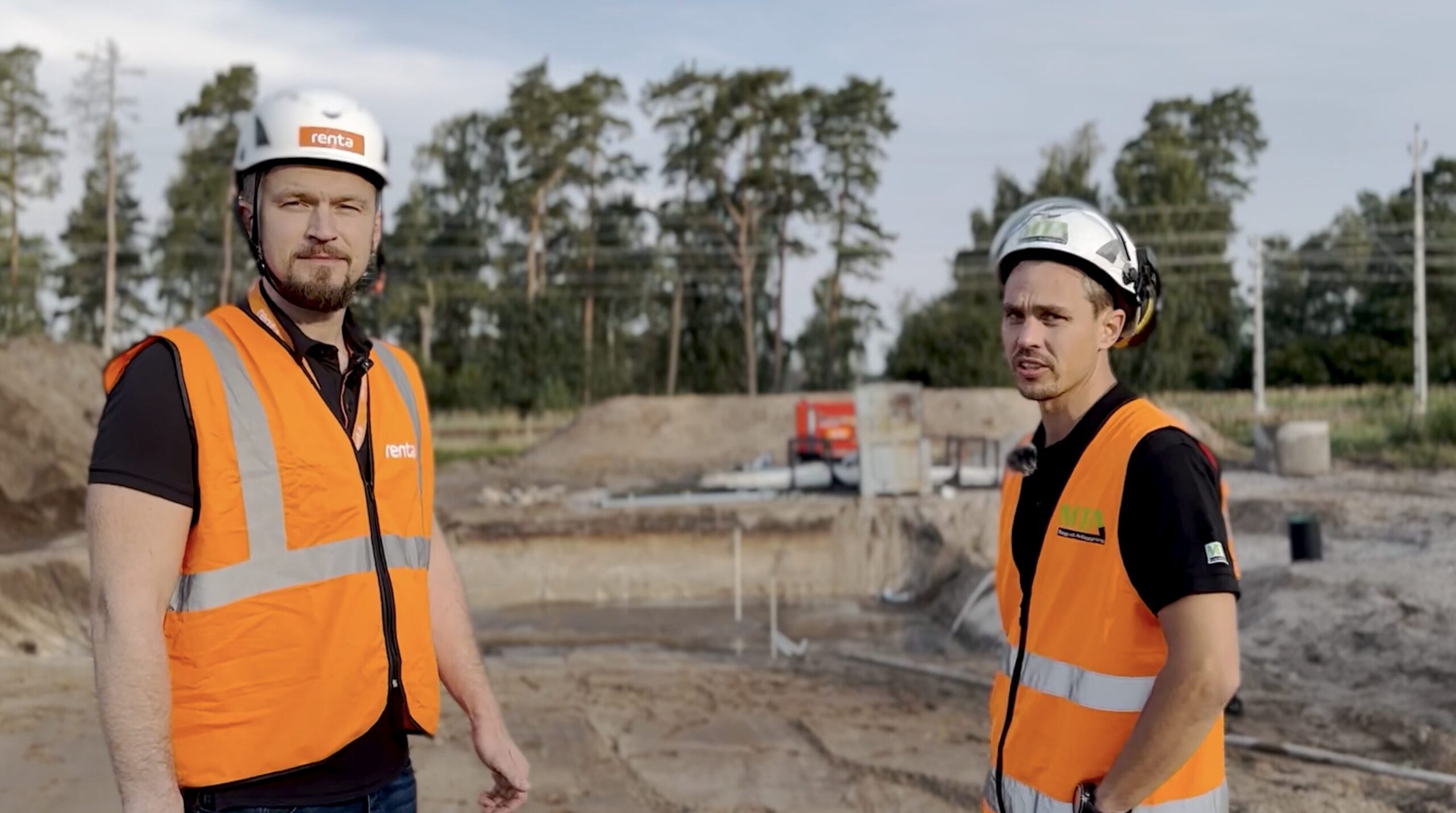
Flooding in Revingehed
Just behind Catena Arena and Rögle’shome arena, Derome is now building 700 housing units and the new Vegeljung neighborhood. But first, MTA Bygg och Anläggning is constructing, among other things, new streets, district heating networks, and a new wastewater pumping station. To lower the groundwater level during the construction of the pumping station, they implemented Renta’s new wellpoint solution.